
Under-Bunk & Under-Cabinet AC Repair
Expert repair for compact RV air conditioners. Dometic Cool Cat and other space-efficient AC systems for small travel trailers and B-class motorhomes. RVTI-certified technicians.
Space-Efficient Cooling for Compact RVs
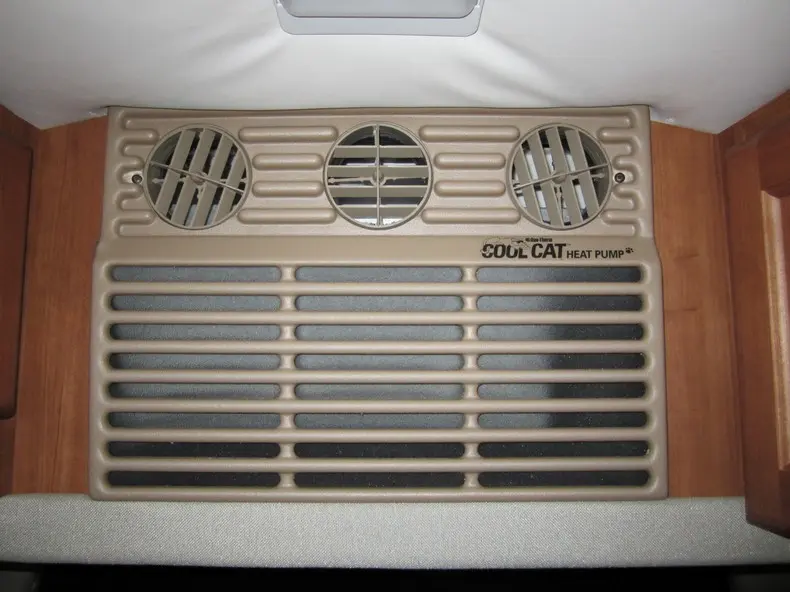
Under-bunk AC units are compact air conditioning systems designed for small travel trailers and B-class motorhomes where space is limited. Despite the name, these units can be mounted under bunks, under cabinets, in walls, or above bunks, wherever your RV's design allows. The Dometic Cool Cat series is the most common type.
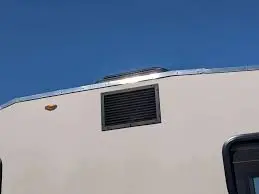
Flexible Mounting Options
"Under-bunk" is a bit of a misnomer, these compact AC units can be installed in multiple locations:
- Under bunks – Most common placement
- Under cabinets – Kitchen or storage areas
- In walls – Recessed installation
- Above bunks – Higher mounting when needed
Location depends on your RV's layout, available space, and cooling needs.
Ideal for Small RVs
Under-bunk AC units are perfect when:
- Your RV doesn't have space for roof-mounted AC
- Weight capacity is limited
- You need supplemental cooling
- Roof is occupied by solar panels or other equipment
Common in: Small travel trailers, compact campers, B-class motorhomes, van conversions
Dometic Cool Cat & Other Brands
The Dometic Cool Cat series is the most common under-bunk AC system. Our RVTI-certified technicians service all compact RV air conditioner brands.
Dometic Cool Cat
The most popular under-bunk AC system. Available in various BTU capacities for different RV sizes. Reliable cooling in a compact package.
We stock common Dometic Cool Cat parts and can diagnose any issue with these systems.
Other Compact AC Brands
Various manufacturers make compact, space-efficient AC units for small RVs. As RV AC experts, we can diagnose and repair any brand.
Have a different brand? Bring it in, we've likely seen it and can help.
Common Under-Bunk AC Problems
Won't Cool Properly
RV not cooling despite AC running?
- Low refrigerant charge
- Dirty coils restricting airflow
- Failed compressor
- Clogged air filter
- Blocked intake or exhaust vents
- Unit too small for space
We diagnose the root cause, not just symptoms.
Won't Turn On
AC completely dead?
- Tripped breaker or blown fuse
- Failed capacitor (very common)
- Bad thermostat or control board
- Electrical connection issues
- Failed compressor
Systematic electrical diagnosis finds the problem fast.
Excessive Noise
Louder than normal operation?
- Loose mounting causing vibration
- Worn fan bearings
- Debris in fan blades
- Failing compressor
- Improper installation
We identify noise sources and resolve them.
Leaking Water
Water inside RV from AC?
- Clogged condensate drain
- RV not level (water pools instead of draining)
- Damaged drain pan
- Improper installation angle
We locate the source and fix it properly.
Freezing Up
Ice forming on unit?
- Restricted airflow (dirty filter most common)
- Low refrigerant charge
- Failed fan motor
- Running in extreme heat with thermostat too low
Proper diagnosis prevents recurring freeze-ups.
Insufficient Cooling Capacity
Unit runs but can't keep up?
- Unit too small for RV size
- Poor insulation in RV
- Excessive heat load (windows, awnings)
- Undersized for climate conditions
We assess capacity needs and recommend solutions.
DIY Diagnostic: Temp Drop Test
Before assuming your AC needs replacement, run this simple test to determine if the unit itself is working properly.
How to Test Your RV AC
- Set AC to High Fan (or High Fan Auto mode)
- Set temperature well below room temp (ensure AC is actively trying to cool)
- Let run for 15 minutes minimum
- Measure intake air temperature (with a thermometer at return vent or filter location)
- Measure output air temperature (with the same thermometer closest outlet vent to AC)
- Calculate the difference
✓ If difference is 16°F or more → AC is working properly
The air conditioner unit itself is doing its job. If RV isn't cool enough, the issue is elsewhere (insulation, undersized unit, etc.)
✗ If difference is less than 16°F → AC needs service
The unit isn't cooling air adequately. Could be dirty coils, failed compressor, or any number of other AC-specific issues requiring professional diagnosis.
⚠️ Why This Test Matters
Just changing an air conditioner is the most expensive test. If the first one was working properly, the second one probably won't do any better.
Many RV cooling complaints aren't the AC itself, they're poor insulation, undersized units for the space, or excessive heat load. Proper diagnosis saves you money by fixing the actual problem, not replacing working parts.
Maintenance for Under-Bunk AC
You extend your AC's life and maintain peak cooling with regular maintenance. Manufacturers recommend this schedule:
Weekly During Use
Clean air filters. Manufacturer's #1 recommendation. Dirty filters restrict airflow, reduce cooling, and cause freeze-ups.
Takes 5 minutes. Remove filter, rinse with water, let dry, reinstall.
Check Vents
Keep intake and exhaust vents clear. Under-bunk units can have restricted airflow from bedding, storage items, or debris.
Ensure nothing is blocking vents during operation.
Annual Service
Full AC service minimum once per year. Professional cleaning of coils, inspection of all components, electrical testing, and refrigerant check.
Best done before camping season starts (March-April).
High-Dust Environments
Service twice per year if you camp in dusty conditions like dirt track racing, desert camping, or unpaved campgrounds.
Dust clogs coils faster, reducing efficiency.
Frequently Asked Questions
Can under-bunk AC cool my entire RV?
Under-bunk units work well for the small RVs they're designed for. Cooling capacity depends on unit BTU rating and RV size. For larger trailers or motorhomes, roof-mounted AC systems typically provide better coverage.
Should I repair or replace my under-bunk AC?
Depends on the issue and age. Capacitors, thermostats, and minor repairs are usually cost-effective. If compressor fails on an older unit (10+ years), replacement may make more sense. We give you the information to decide, no pressure either way.
Can I upgrade to a larger under-bunk AC?
Depends on available space and your RV's electrical capacity. Larger units require more BTUs and more power. We can assess your situation and recommend appropriate capacity upgrades if space and electrical allow.
Do you stock parts for Dometic Cool Cat?
We stock common parts for Dometic Cool Cat and other compact AC systems. For less common parts, we can order direct from manufacturers for quick turnaround. Most repairs don't require long waits for parts.
Under-Bunk AC Not Cooling?
From Dometic Cool Cat to other compact systems, you get accurate diagnosis and genuine repairs. RVTI-certified technicians. Serving North Central Alabama since 1993.