
Expert repair for rare basement air conditioner systems. 2-stage heat pumps. Nearly silent operation. Dometic & Coleman only. All ducted systems. RVTI-certified technicians.
Basement air conditioners are fairly rare systems found in some Class A motorhomes and very rarely in fifth wheels. These 2-stage heat pumps were designed to keep height clearance lower, prevent roof holes, and replace two roof-mounted ACs with a single intelligent unit. Nearly silent operation. All basement systems are ducted and work well on 30 amp service.
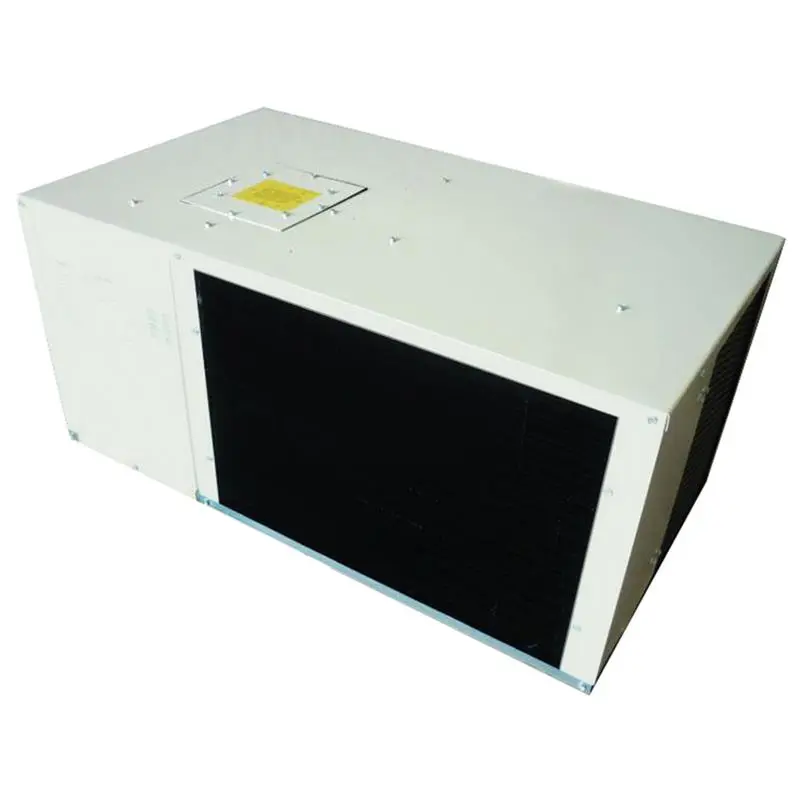
Basement AC systems are essentially 2 air conditioners in 1 unit. The system intelligently activates the second stage only when additional cooling capacity is needed, providing efficient operation on 30 amp service.
Why basement mounting? Installed to keep height clearance lower, prevent holes in the roof, and consolidate two roof ACs into one basement unit. Nearly silent operation compared to roof-mounted systems.
All basement systems are ducted: They distribute cool air through ductwork with wall thermostats. Proper duct sealing is critical for performance.
Only Dometic and Coleman manufactured basement AC units. Dometic has discontinued production of these systems, making them increasingly rare.
Parts availability may be limited for these discontinued systems. We can service existing basement AC units and help you explore options if parts are unavailable.
Basement AC systems were only manufactured by two brands. Our RVTI-certified technicians service both Dometic and Coleman basement units.
Dometic manufactured basement AC units for years before discontinuing production. We service existing Dometic basement systems and stock parts where available.
⚠️ Production discontinued
Coleman basement AC units are reliable 2-stage systems. We service all Coleman basement models and can source parts for repairs.
✓ Still servicing these systems
RV not cooling despite AC running?
Proper diagnosis finds the root cause.
Unique to 2-stage systems:
System should intelligently activate second stage when needed.
AC completely dead?
Systematic electrical diagnosis locates the issue.
Critical for all basement AC systems:
All ducts must be properly sealed for optimal cooling and AC longevity.
Basement AC units have serviceable fan motors:
Regular oiling extends fan motor life.
Unique to basement location:
We address location-specific problems.
Before assuming your AC needs replacement, run this simple test to determine if the unit itself is working properly.
✓ If difference is 16°F or more → AC is working properly
The air conditioner unit itself is doing its job. If RV isn't cool enough, the issue is elsewhere (ductwork sealing, insulation, undersized unit, etc.)
✗ If difference is less than 16°F → AC needs service
The unit isn't cooling air adequately. Could be dirty coils, failed compressor, or any number of other AC-specific issues requiring professional diagnosis.
Just changing an air conditioner is the most expensive test. If the first one was working properly, the second one probably won't do any better.
Many RV cooling complaints aren't the AC itself—they're ductwork not sealed, poor insulation, undersized units, or electrical issues. Proper diagnosis saves you money by fixing the actual problem, not replacing working parts.
You extend your basement AC's life and maintain peak cooling with regular maintenance. Manufacturers recommend this schedule:
Clean air filters. Manufacturer's #1 recommendation. Dirty filters restrict airflow, reduce cooling, and cause freeze-ups.
Takes 5 minutes. Access filters at return vents, clean, and reinstall.
Basement AC units have oiling ports on fan motors. Regular oiling extends motor life and prevents premature failure.
Check your owner's manual for oiling schedule and proper lubricant.
Full AC service minimum once per year. Professional cleaning of coils, inspection of all components, electrical testing, refrigerant check, ductwork inspection, and fan motor maintenance.
Best done before camping season (March-April).
All ducts must be properly sealed. This is critical for basement AC systems. Air leaks reduce cooling capacity and strain the system, causing premature failure.
Inspect ductwork annually. We can properly seal ducts if needed.
Only Dometic and Coleman manufactured these systems, and Dometic has discontinued production. They were designed to keep height clearance lower, prevent roof holes, and consolidate cooling capacity—but the complexity and basement space requirements limited adoption.
Depends on the issue, age, and parts availability. Since Dometic discontinued production, parts may be limited for their units. Capacitors, thermostats, and minor repairs are usually cost-effective. For major failures, we'll help you evaluate your options based on parts availability and system age.
Your basement AC has two compressors (essentially 2 ACs in 1 unit). The system intelligently activates the second stage only when additional cooling capacity is needed. This provides efficient operation on 30 amp service while maintaining strong cooling performance.
We stock common parts for Coleman and some Dometic units. Since Dometic discontinued production, some parts may require sourcing from specialty suppliers. We'll work to find the parts you need or help you explore alternatives if parts are unavailable.
Rare 2-stage systems require specialized knowledge. Dometic & Coleman experts. RVTI-certified technicians. Serving North Central Alabama since 1993.